Commercial Lockouts: 7 Common Causes and How Businesses Can Prevent Costly Downtime
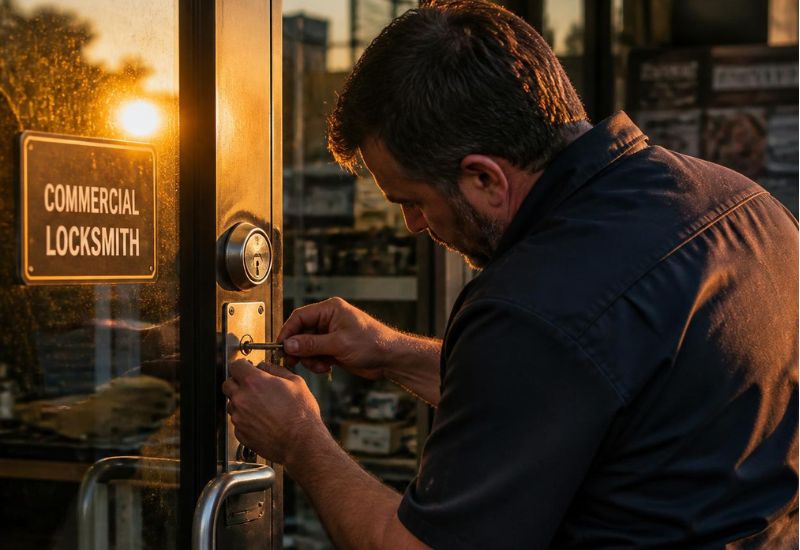
happen more often than people think. And they never happen at a convenient time. So let's talk about why they happen, and more importantly, how you can stop one from ever costing you a day's worth of sales.
Why a Lockout Costs More Than You'd Expect
Here's the thing — a commercial lockout isn't just annoying. It's expensive. When your doors won't open, your staff can't clock in, customers can't walk through, and deliveries pile up outside. Every minute adds up. For a retail shop or restaurant, even a short delay can mean real money walking away.That's why it pays to know the warning signs early. And it's also why having a reliable business lockout service saved in your phone is worth its weight in gold.1. Lost or Misplaced Keys
This one tops the list for a reason. Keys get passed around between shifts, contractors, and staff, so it's easy for one to go missing. And once it's gone, you can't be sure who has it. That's a real security risk, not just an inconvenience.How to prevent it: Set up a simple key sign-out log. Or better yet, switch to keyless entry, so you can shut off a lost credential in seconds instead of rekeying the whole building.2. Locks That Jam or Break Down
Commercial locks work hard every single day. Over time, they wear out. If a lock feels stiff, grinds when you turn it, or doesn't fully click shut, that's your warning sign. Ignore it, and it will fail — usually with someone standing outside.How to prevent it: Book regular commercial door lock repair checks, especially for your busiest entrances. Catching a small issue early is always cheaper than an emergency call later.3. Electronic Access Systems Acting Up
Keypads and card readers are great, until they glitch, lose power, or stop reading cards after an update. And because everyone uses the same system, one glitch can lock out your whole team at once.How to prevent it: Always keep a backup mechanical override. And keep a commercial locksmith who understands electronic systems on speed dial, so you're never stuck waiting.4. A Key Snaps Off Inside the Lock
Keys wear down with use. Eventually, a bent or thin key can snap right inside the lock — usually the moment you're already running late. Worse, it often damages the lock too.How to prevent it: Replace old, worn keys before they break. And if a key ever feels hard to turn, don't force it. Forcing is exactly what causes it to snap.5. Doors That Shift Out of Alignment
Buildings settle. Frames shift with the weather. So a door that used to close perfectly can slowly fall out of alignment, and once that happens, the lock may not catch properly at all.How to prevent it: Get your door frames checked once a year, especially in older buildings or busy storefronts that see heavy daily use.6. Power Outages and Smart Locks
If your business uses electronic or smart locks, a power cut can be a real problem. Some systems default to locked, with no manual way in, right when you need access most.How to prevent it: Choose a system with battery backup. And ask your installer exactly what happens during a power failure, before it actually happens.7. Forgetting to Rekey After an Employee Leaves
When someone leaves your team, their old key or access code doesn't disappear on its own. If nobody deactivates it, your business stays exposed, and sometimes it locks out the very employees who should have access.How to prevent it: Make rekeying or deactivating credentials part of your standard offboarding checklist, not an afterthought.Quick Ways to Prevent Costly Downtime
- Check your locks and access systems once a year.
- Keep key control consistent across every shift and location.
- Choose commercial-grade hardware built for daily heavy use.
- Save a trusted 24/7 commercial locksmith near me in your contacts, before you need one.
- Write a simple lockout plan so your staff know exactly who to call.
When to Call an Emergency Commercial Locksmith
Even with the best prevention, some lockouts still happen. A key can snap. The power can go out. So when it does, speed matters most. A good emergency commercial locksmithshould:
- Show up fast, day or night
- Handle both old-school locks and modern electronic systems
- Fix the lock on the spot with real commercial door lock repair, not a temporary patch
- Leave you with a lasting fix, not a callback next week
The Bottom Line
Most commercial lockouts don't come out of nowhere. They build up from small, missable things — a worn lock, a missing key log, a skipped maintenance check. So the good news is, most of them are preventable. But when a lockout does happen anyway, having a dependable commercial locksmith services provider ready to go is what turns a five-hour shutdown into a five-minute fix. So don't wait until you're standing outside your own office, lockout service, phone in hand, searching for help. Save the number today.FAQs: Commercial Lockouts
1. What should I do first if my business gets locked out?
Stay calm and check every entrance first, since a back or side door might still be open. If not, call a trusted commercial locksmith right away. Don't try to force the lock, as that can cause more damage and cost you more in repairs.
2. How fast can an emergency commercial locksmith usually arrive?
Most emergency commercial locksmith teams reach you within 20 to 45 minutes, depending on your location. That's why it helps to save a 24/7 commercial locksmith near me in your phone before you actually need one.
3. Can a locksmith get me in without damaging the door?
Yes, in most cases. Skilled locksmiths use non-destructive entry methods first, so your lock and door stay intact. They only recommend drilling or force as a last resort, and they'll always explain why before doing it.
4. How much does a business lockout service usually cost?
Prices vary by time of day, lock type, and how urgent the call is. Emergency or after-hours calls usually cost more than a scheduled visit. Still, it's worth asking for a clear quote upfront, so there are no surprises later.
5. Should I repair or replace a commercial lock after a lockout?
It depends on the damage. If the lock jammed or a key snapped inside, a simple commercial door lock repair might fix it. But if the lock is old or was forced open, replacing it is usually the safer, longer-lasting choice.

About The Author
A1 Lock Express Team
Licensed mobile locksmith service supporting Austin-area homeowners, drivers, and businesses.
Learn more about A1 Lock ExpressRelated Locksmith Services
Need Locksmith Services in Austin?
Our expert team is available 24/7 for all your locksmith needs.
Get a Free Estimate